
Commercial impact
Rodents control
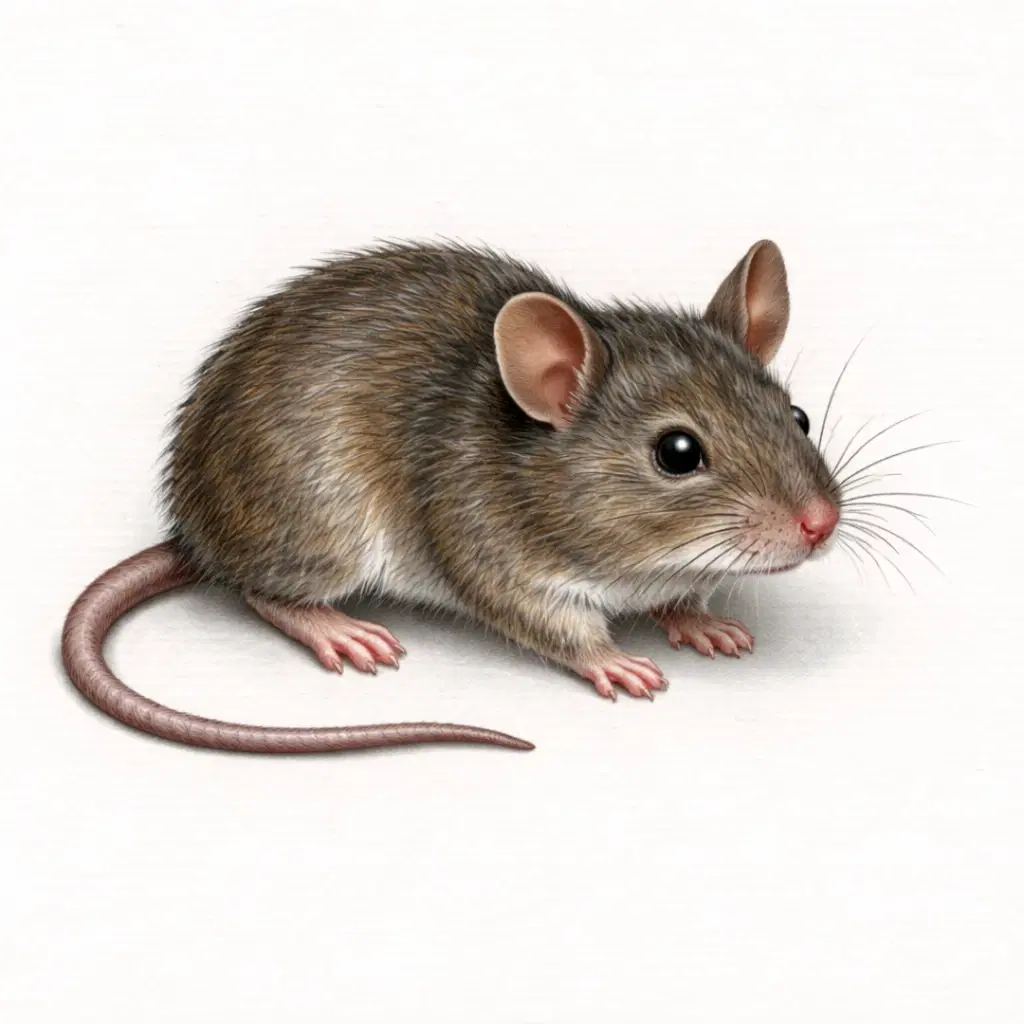
Rats and mice contaminate food, chew wiring, and create noise in attics and walls; we pair trapping with exclusion.
When to call
Call dispatch if any of these are true. We will confirm coverage and next steps.
- Noises persist for several nights
- Fresh droppings after DIY traps or baits
- Tenant or employee sightings in regulated areas
Quick facts
Fast answers for dispatch and planning
Share what you are seeing and how long it has been active.
- Rats and mice squeeze through small gaps.
- Droppings and gnawing mark activity.
- Exclusion matters as much as trapping.

Service match
These programs cover rodents issues and follow-ups.
Signs of infestation
What you are likely to notice
Use these cues to confirm activity and share it with dispatch.
Signs you will notice
- Scratching sounds overhead or in walls
- Grease rub marks along travel paths
- Nesting materials in insulation or stored boxes
Identification cues
- Droppings in pantries, garages, or utility rooms
- Gnaw marks on stored items and wiring
Why it is a problem
Health, property, and operational impact
Use these impacts to prioritize next steps.
Why it matters
Rodents contaminate food and can damage wiring and insulation.
Risks to monitor
- Fire risk from gnawed wiring
- Food contamination and audit findings
DIY vs professional
Safe first steps and when to bring in a pro
Follow label directions and avoid DIY treatments that spread activity.
What you can do now
- Seal obvious gaps and store food in bins.
- Remove clutter and nesting materials.
- Use snap traps safely where activity is visible.
When to call a professional
- Identify entry points and travel paths.
- Set traps and stations based on site layout.
- Provide exclusion and sanitation guidance.
Treatment approach
Inspection-first plans tailored to your pest pressure
Our team confirms activity and builds a treatment plan for your property.
What our approach looks like
- Inspect entry points, attic voids, and exterior paths.
- Deploy trapping and monitoring tailored to the site.
- Close entry points and follow up until activity stops.
residential program
GuidedEntry-point sealing and trapping until activity stops.
We start by confirming where activity is coming from and why it's happening.
- Inspect kitchens, baths, attics, baseboards, and exterior entry points.
- Identify moisture, food sources, and common travel paths.
- Confirm activity level and construction type to guide precise placement.
- Review safety considerations to protect families and pets.
Targeted treatments designed to reduce activity quickly without disruption.
- Apply baits, monitors, or crack-and-crevice treatments where pests travel.
- Treat exterior perimeters and entry points to prevent re-entry.
- Avoid unnecessary broad spraying to reduce exposure.
- Explain what was applied, where, and when areas are safe again.
Simple steps that help treatments work better and last longer.
- Clear access to sinks, baseboards, and attic areas before service.
- Pick up pet bowls, toys, and personal items in treatment zones.
- Follow drying and re-entry guidance after the visit.
- Share prior pest history or sensitive areas if applicable.
commercial program
GuidedDevice maps, logs, and corrective actions for facilities.
Documentation-driven inspections that support consistency and compliance.
- Inspect food prep areas, storage, restrooms, and utility spaces.
- Identify entry points, sanitation gaps, and environmental contributors.
- Assess pest pressure and facility layout.
- Record findings for service logs and audit readiness.
Ongoing service tuned to operational risk and pressure level.
- Scheduled exterior service based on pressure and site needs.
- Interior monitoring or treatment as required.
- Refresh baits and document readings for regulated environments.
- Provide coverage if pests return between visits.
Operational guidance to reduce future activity.
- Maintain access to service areas and entry points.
- Secure food, waste, and inventory per recommendations.
- Coordinate service around inspections or audits when needed.
- Notify dispatch of site changes affecting pest pressure.
Prevention tips
Reduce future activity with smart prevention
Small adjustments keep pressure lower between visits.
Prevention tips
- Seal openings around pipes and doors.
- Keep exterior trash areas clean and covered.
- Trim vegetation away from structures.
Prep & aftercare
- Seal food in bins and reduce clutter along walls.
- Do not move or touch traps and stations between visits.
- Share any new noises or droppings locations with technicians.
FAQs
Answers from dispatch and technicians
Common questions we hear before a visit.
What if pests come back between visits?Expand answer
If covered pests return between regular services, contact us and we will schedule a follow-up to address the issue.
Do you provide documentation for commercial audits?Expand answer
Yes. Commercial accounts receive device maps, logbooks, and digital service reports suitable for healthcare, hospitality, and food service inspections.
Resources
Prep guides and resources will show here for this pest.
Next step
Need help with Rodents?
Request an inspection and get a plan tailored to your property.